
 Kamal Ghorui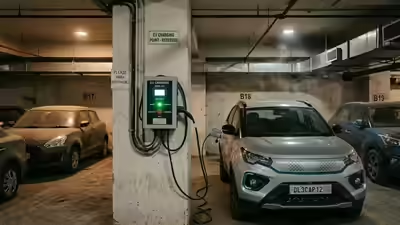
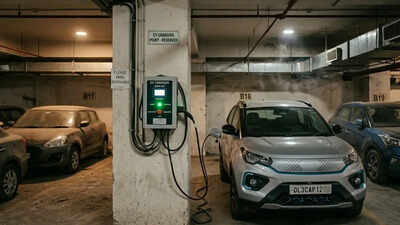
India’s electric vehicle push may have hit an unexpected roadblock, this time from within residential societies. Recently, a development from Gurugram has brought the spotlight back on one of the most critical aspects of EV ownership: charging.In a recent case, residents of an apartment society have been directed to remove private EV chargers installed in basement parking areas. The notice, issued by the Resident Welfare Association (RWA) following inputs from the Haryana Fire Department, makes it clear that this is no longer a suggestion but a mandatory directive. The move comes after the Fire Department raised objections and withheld the Fire No Objection Certificate (NOC) renewal for the society. According to the notice, authorities including DTCP and the Fire Department have flagged basement EV charging as a safety risk. Concerns include the possibility of short circuits due to increased electrical load, rapid spread of fire in tightly packed parking areas, and poor ventilation in enclosed basements.Until these issues are addressed and all chargers are removed, the society’s Fire NOC renewal will remain on hold.
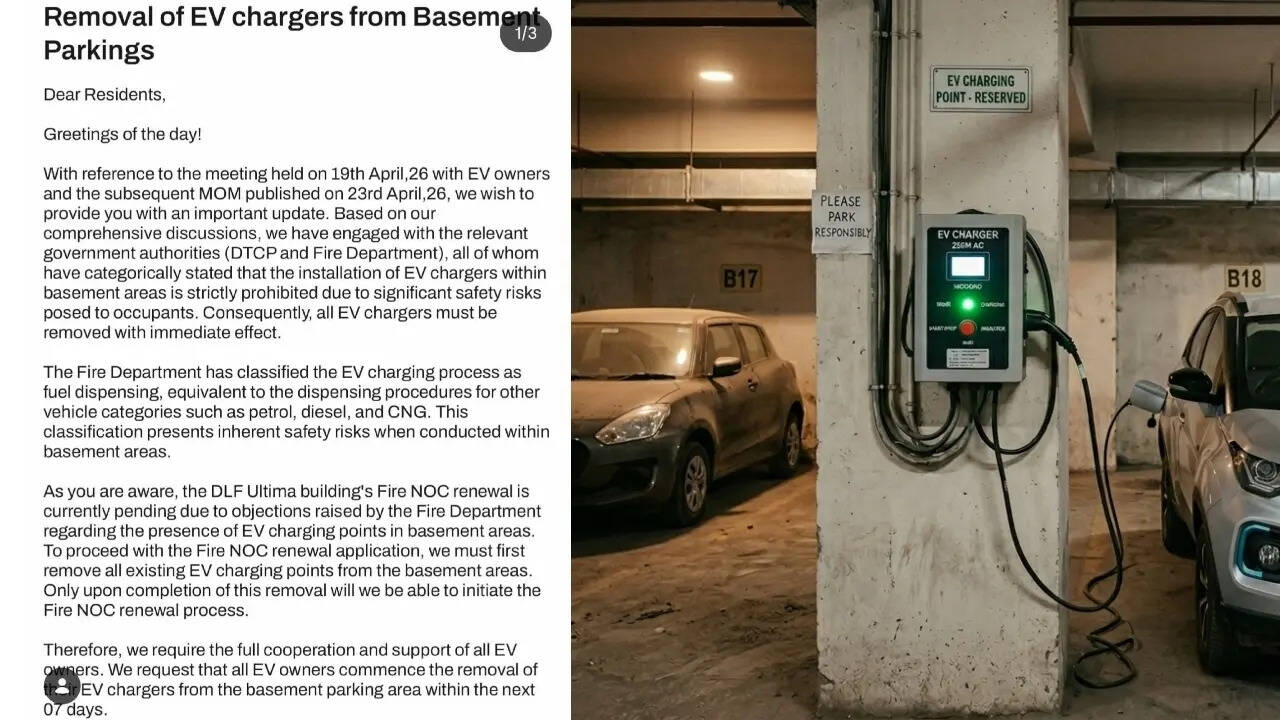
Image: Cartoq.
Why could this be a roadblock for EV ownership?
This order effectively leaves residents with no option but to rely on common or commercial charging points.EV adoption in India has been strongest in urban areas, especially among residents of high-rise societies. For many buyers, the ability to charge at home is one of the biggest reasons to switch to an electric vehicle. Without that convenience, ownership becomes less practical as public charging costs are significantly higher.
If such restrictions become more common, it could impact consumer confidence. For a segment that depends heavily on overnight home charging, losing access to private chargers could become a serious deterrent.