 Kamal Ghorui
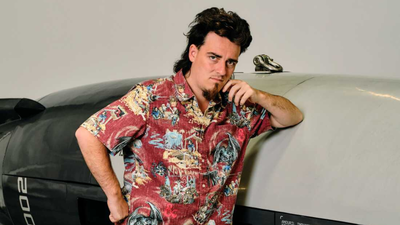
Palmer Luckey is one of the most unconventional figures to emerge from Silicon Valley in the past decade. A self-taught tinkerer who grew up building experimental gadgets in his parents’ garage, Luckey turned a niche obsession with virtual reality into a global tech breakthrough. At just 19, he created the Oculus Rift prototype, sparking renewed interest in VR worldwide. Within two years, his company was acquired by Facebook for $2 billion, making him one of the youngest self-made millionaires in tech. But what followed was an unexpected fall and an even more dramatic second act in the world of defence technology.
Palmer Luckey’s journey from garage experiments to a VR revolution
Luckey’s early years were defined by curiosity and experimentation. Homeschooled and largely self-directed, he spent his teenage years building everything from lasers to custom-built computing rigs. He also developed a deep interest in virtual reality, collecting dozens of old and modern VR headsets to understand their limitations.This hands-on approach paid off. In 2012, Luckey built the Oculus Rift prototype, solving long-standing issues such as motion lag and narrow field of view. The device offered a level of immersion that earlier VR systems had failed to achieve, quickly attracting attention from industry veterans like John Carmack.What started as a garage project soon became a movement, signalling that VR was no longer science fiction but an imminent technological reality.To bring Oculus to life, Luckey launched a crowdfunding campaign that exceeded expectations. Seeking $250,000, the campaign raised over $2.4 million, drawing global attention and validating demand for consumer VR.The success of the campaign transformed Oculus from a hobbyist experiment into a serious startup. Developers, investors, and major tech companies began to take notice, positioning Luckey at the centre of a rapidly emerging industry.
The $2 billion Facebook acquisition
In 2014, Facebook acquired Oculus for $2 billion, marking one of the most high-profile tech deals of the decade. The acquisition underscored Facebook’s ambition to dominate the future of immersive computing.For Luckey, still in his early twenties, the deal was life-changing. He became the public face of modern virtual reality, frequently appearing at events and in media as the visionary behind the technology.However, the rapid rise also placed him under intense scrutiny, setting the stage for what would come next.
Political controversy and fallout
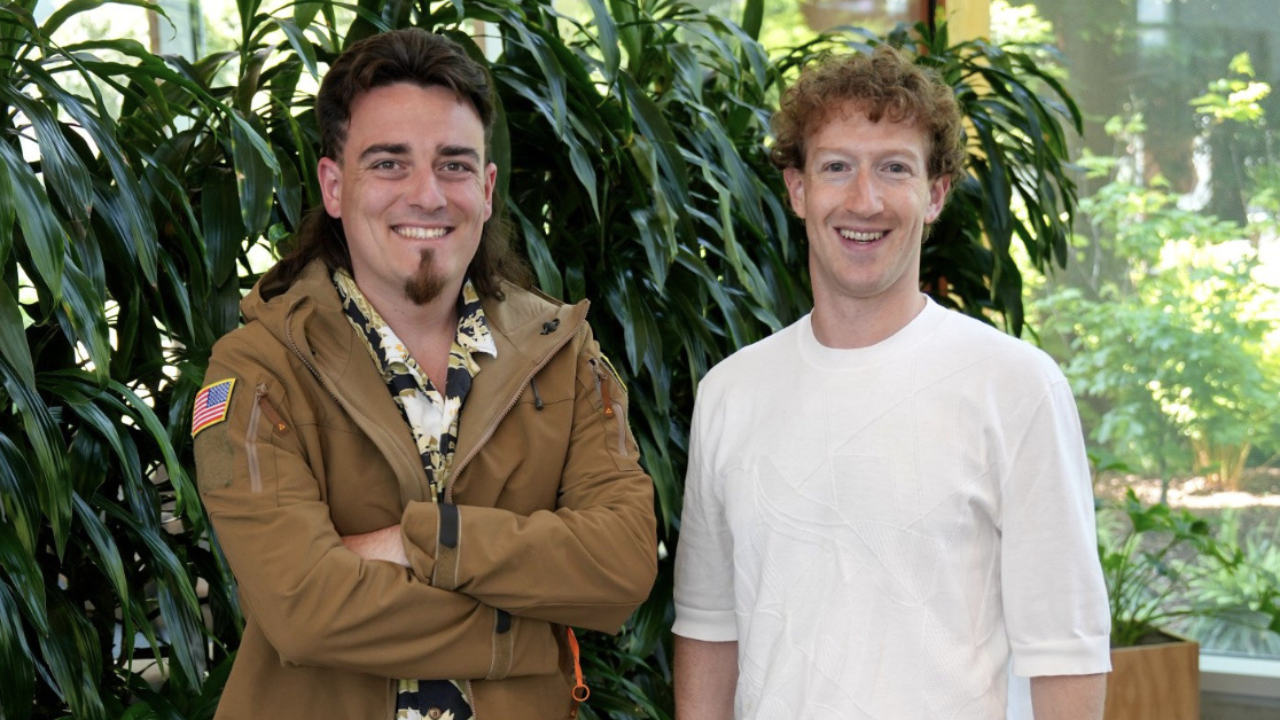
Luckey’s trajectory took a sharp turn in 2016 when reports surfaced about his political activities. According to multiple media reports at the time, he had donated around $10,000 to a pro-Donald Trump group called Nimble America, which was known for producing anti-Hillary Clinton memes.Further reports claimed that Luckey had been involved in online discussions under a pseudonym, amplifying the controversy. The revelations triggered backlash within parts of the tech community, with some developers boycotting Oculus products.While Luckey later clarified aspects of his involvement, the incident created internal tensions at Facebook. By 2017, he had exited the company, though Mark Zuckerberg did not publicly detail the reasons. Subsequent reports suggested that Luckey received a substantial payout as part of his departure.This episode marked a turning point, shifting him from Silicon Valley’s rising star to a controversial figure.
The second act: Founding Anduril
Rather than stepping away from technology, Luckey pivoted in a completely different direction. In 2017, he founded Anduril Industries, named after a sword from The Lord of the Rings. Backed by investor Peter Thiel, the company focused on applying cutting-edge technology to defence.Anduril’s core idea was to modernise military systems using software-driven approaches, particularly artificial intelligence and autonomous systems. This was a sharp departure from traditional defence contractors, which often rely on slower, hardware-heavy development cycles.
Building a defence tech powerhouse
Anduril quickly established itself as a disruptive force in the defence sector. Its technologies include autonomous drones, AI-powered surveillance systems, and battlefield software platforms designed to process real-time data.The company secured major contracts with US defence agencies, including work linked to border surveillance and military operations. Over time, it expanded its footprint, reportedly taking over key programmes such as advanced military headset projects previously associated with other tech giants.By the mid-2020s, Anduril had grown into a multi-billion-dollar company, with revenues crossing significant milestones and valuations exceeding $30 billion. Its systems have been deployed in real-world scenarios, highlighting the growing role of private tech firms in national security.
From VR pioneer to defence strategist
Luckey’s shift from virtual reality to defence technology is one of the most striking pivots in modern tech history. While Oculus focused on entertainment and immersive experiences, Anduril operates in high-stakes environments involving surveillance, security, and warfare.This transition reflects a broader trend of Silicon Valley expertise moving into defence, where software, AI, and automation are increasingly central.Luckey, once known for building gaming hardware, is now influencing how modern military systems are designed and deployed.
The unconventional billionaire persona
Despite his influence, Luckey continues to defy expectations. He is known for maintaining a casual style, often attending high-level meetings in Hawaiian shirts and flip-flops. His personality contrasts sharply with the traditional image of defence industry executives.He has also pursued unusual side projects, including experimental VR concepts and personal collections that reflect his enduring fascination with technology and gaming culture.
A story of controversy, reinvention, and influence
Palmer Luckey’s journey is not a straightforward success story. It is a narrative shaped by rapid innovation, public controversy, and a remarkable comeback.From building a VR headset in a garage to leading a company that works closely with the Pentagon, his career illustrates how quickly fortunes can change in the tech world. It also highlights how influence in technology is no longer confined to consumer products, but increasingly extends into geopolitics and national security.In the end, Luckey’s story is about more than just success. It is about reinvention, adapting to setbacks, and emerging with even greater impact in an entirely different arena.Also Read: Meet the mango master Shri Kishan Suman: The genius farmer behind the unusual ‘Sadabahar’ mango that blooms 3 times a year