
It is said that ‘history repeats itself’ and it is also said that ‘when we forget history, geography is altered’. While exact events do not repeat in identical form but similar conditions often produce similar outcomes. So ignoring the lessons of the past can lead to conflicts and decisions that not only alter the course of history but also reshape borders, nations, and the global order.
In the early 1900s, Britain and Germany were two powerful nations that grew suspicious of each other. Britain had long ruled the seas with its strong navy and controlled a huge empire, including many colonies in Africa and Asia. Germany, newly united and led by Kaiser Wilhelm II, wanted to catch up by building a big navy and grabbing overseas territories. This made Britain feel threatened. This naval race heated up further, with Germany challenging Britain’s sea power through its “Weltpolitik” policy of global influence. Tensions rose over colonies, like in Africa, and alliances formed—Britain teamed up with France and Russia while Germany backed Austria-Hungary. By 1914, distrust and arms buildups turned rivalry into war after events like the assassination of Archduke Franz Ferdinand in Sarajevo.
Now after a century replace Britain and Germany with the United States and China. The rivalry between Britain and Germany before World War I shares key similarities with the current US-China geopolitics. Both feature an established power Britain then and US now and a rising power—Germany then and China now. In the last two decades China has been challenging the established hegemon’s dominance through rapid economic growth, naval expansion, and claims to greater global influence, fostering fear and arms races and influencing international power politics.
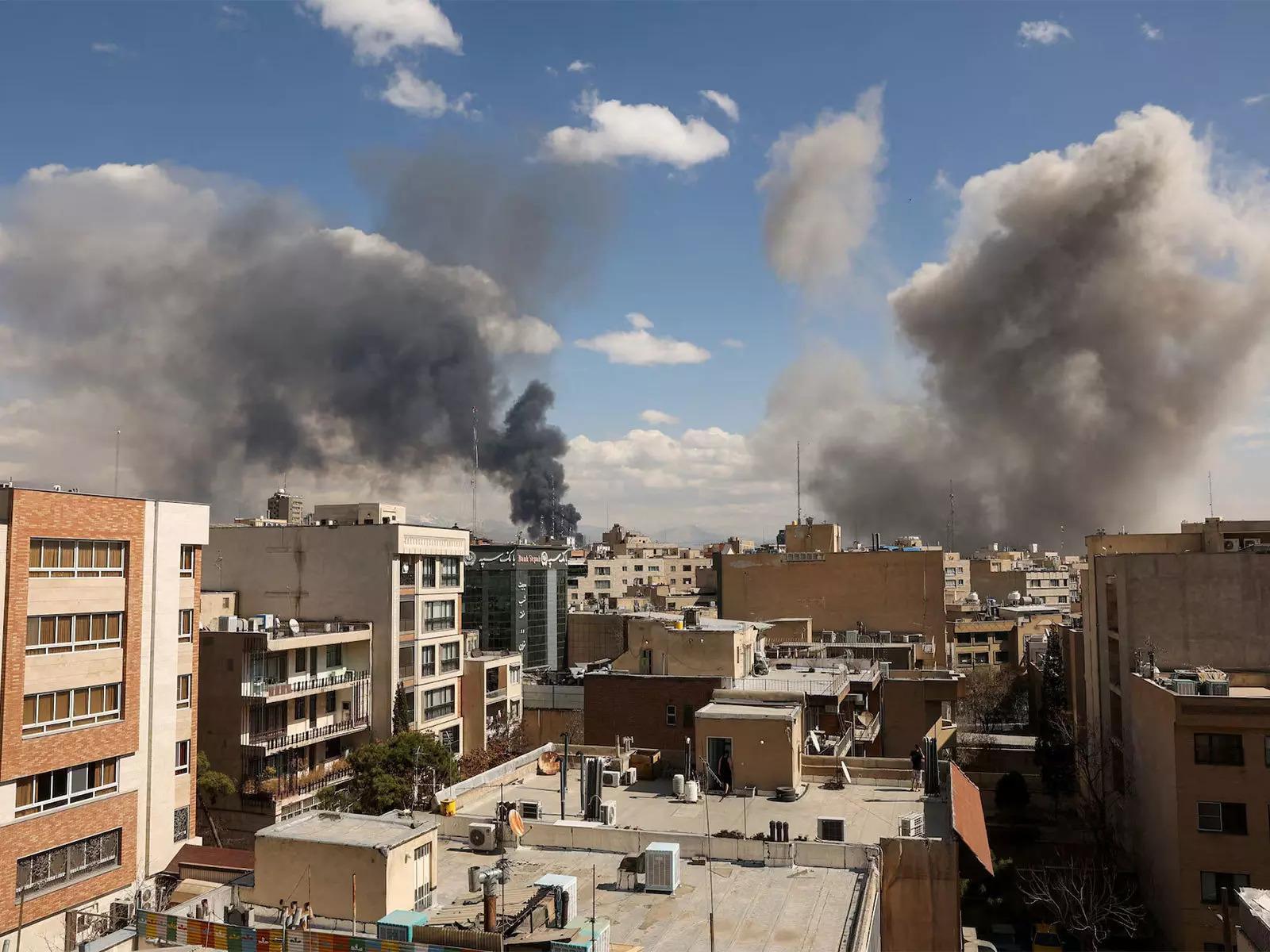

The late 19th and early 20th century Europe saw a strong rise in nationalism. The rise of newly unified countries like Germany and Italy were seriously challenging the dominance of Britain and France. They were eager to show their strength. National pride often turned into trade competition and arms rivalry. In the Balkans region different ethnic groups wanted independence or unification with their own people. This led to instability and conflict, especially involving Serbia and Austria-Hungary. Thus, driven by nationalist ideas, a single act at Sarajevo triggered a chain reaction and led to the outbreak of the first great war.
Today, all over the world nationalism is on the rise again. Today nations are not trying to build empires or colonies but focusing on creating their own ‘regions of influence’ for economic benefits. Modern nationalism often emphasizes protecting national identity, culture, and economic interests. The whole idea of “Make America Great Again” (MAGA) is a different form of nationalism. Led by the American President, this movement focuses on prioritizing American jobs, controlling immigration, and reducing international commitments. US actions in Venezuela or the Middle East reflect a desire to put national interests above global cooperation. Even NATO allies are very uncomfortable with the US desire of taking control of Greenland.
In Eastern Europe, nationalism is closely linked to the ongoing war between Russia and Ukraine. It involves strong nationalist narratives on both sides. Putin wants to revive the glorious days of the former Soviet Union. First Crimea was captured and now Russia has argued that it is protecting Russian-speaking populations and restoring its historical influence. Ukraine, on the other hand, is fighting to defend its sovereignty and national identity. This situation is similar to the pre–World War I Balkans, where ethnic and national identities led to conflict. In the western Europe, nationalism can be seen in events like Brexit, where the United Kingdom decided to leave the European Union. Supporters of Brexit believed that leaving the EU would give Britain more control over its laws, borders, and economy. This shows how nationalist ideas can influence major political decisions.
The Middle East conflicts are also deeply connected to national identity and territorial claims. In many cases, groups are fighting not just for power, but for recognition and control over the land. The direct or indirect involvement of outside powers in these conflicts often makes it more complex, similar to the pre-World War I era. Before 1914, the Balkans were often seen as the “powder keg of Europe,” where tensions between major powers and local players dangerously intersected. Today, three regions— Eastern Europe, the Taiwan Strait, and the Middle East—are potential flashpoints. In these regions, local conflicts and global interests come together, creating situations where mistakes or accidental escalations could lead to serious consequences.
The militarization and arms races also strengthen this similarity. Before the First World War, European nations were heavily building up their military power, especially their naval forces. This rivalry not only raised tensions but also made conflict seem unavoidable. Today, even though warfare has changed, the trend of military growth continues. Countries are heavily investing in advanced weapons, including nuclear weapons, cyber capabilities, and systems powered by artificial intelligence. The growing militarization of key areas like the South China Sea and Eastern Europe can be seen in this context.
Despite these similarities, there are two important facts that set the present apart from the past. First, the presence of nuclear weapons has changed the dynamics of war and acts as a solid deterrent against direct large-scale conflicts between major powers. Second, is economic interdependence. It is so profound and intricate that no country can ignore it today. Danger of collateral damage is too high to survive.
Thus, comparing the pre-First World War period with today’s geopolitics shows both continuity and change. The ongoing existence of alliance systems, power rivalries, militarization, nationalism, and geopolitical flashpoints indicates that the main causes of conflict have not changed much. History repeats itself because human nature and structural conditions often remain constant. It reflects recurring patterns of human behaviour. So, history serves as both a mirror and a warning. When we pay attention to its lessons, we can avoid repeating past mistakes. But when we neglect it, we may once again witness conflicts. Remembering history, therefore, is not just an academic exercise; it is essential for responsible decision-making. The lesson we learn from history is not that conflict is unavoidable, but that managing tensions needs ongoing attention, careful diplomacy, and a clear grasp of the dangers that come from miscalculations.
Disclaimer
Views expressed above are the author’s own.
END OF ARTICLE